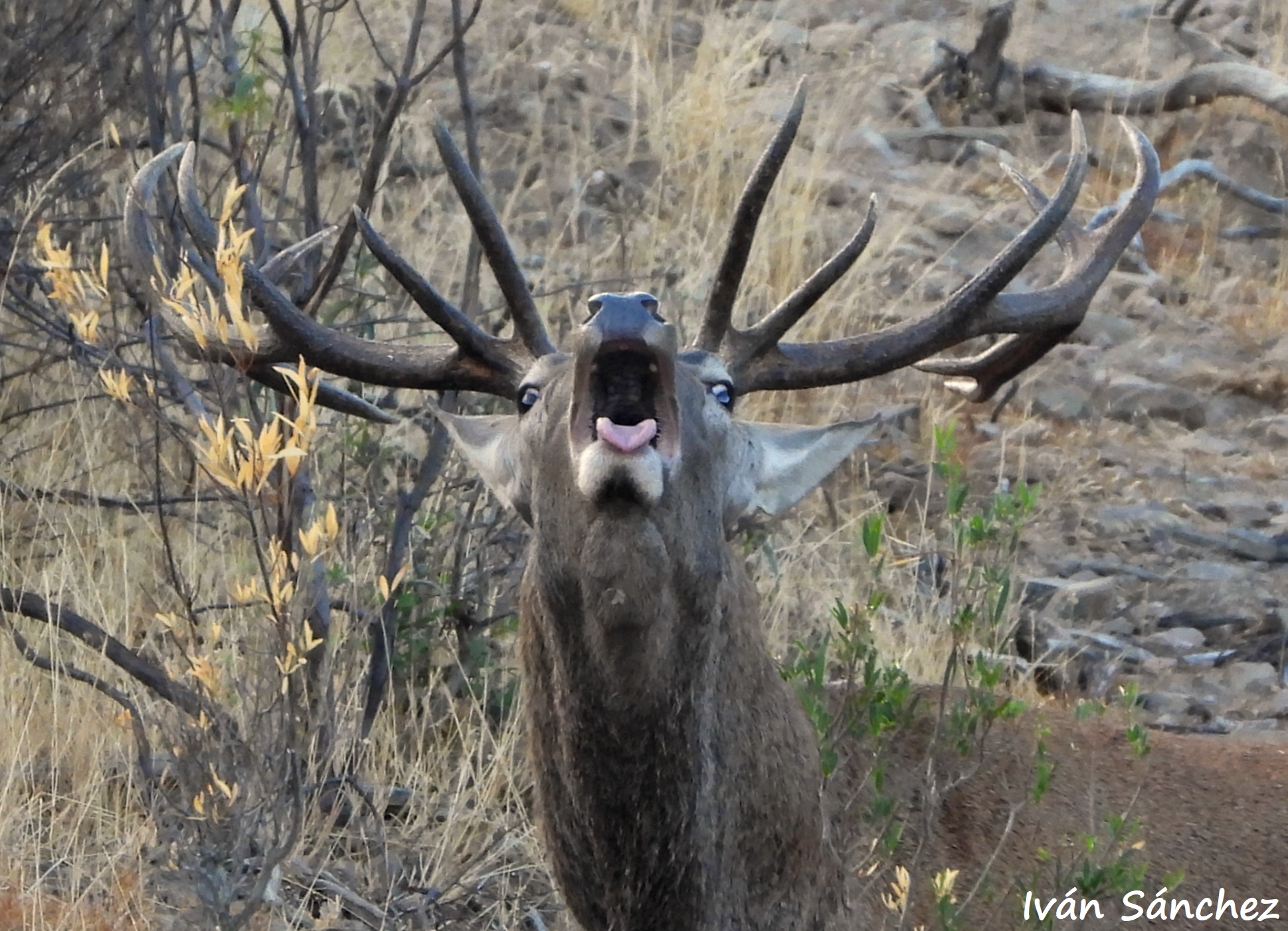
Visiting Monfragüe during the deer rut reveals one of the National Park’s most spectacular natural events. With the arrival of autumn, the calls of red deer begin to echo through the dehesas, mountain ranges and Mediterranean woodland, completely transforming the atmosphere of the area.
For several weeks, males compete for females and their powerful calls can be heard especially at dawn and dusk. But a visit during the rut is about much more than listening to deer: autumn brings milder temperatures, changing landscapes and excellent opportunities to observe wildlife and explore some of Monfragüe’s most iconic places.
If you are planning to visit Monfragüe during the deer rut, here you will find everything you need to organise the experience.
Typical season:
September and October
Main species:
Red deer
Best time:
Dawn and dusk
Experience:
Wildlife and nature
The deer rut is a natural phenomenon and has no exact start or end date. Its intensity can vary from one season to another depending on rainfall, temperatures and animal behaviour.
What is the deer rut?
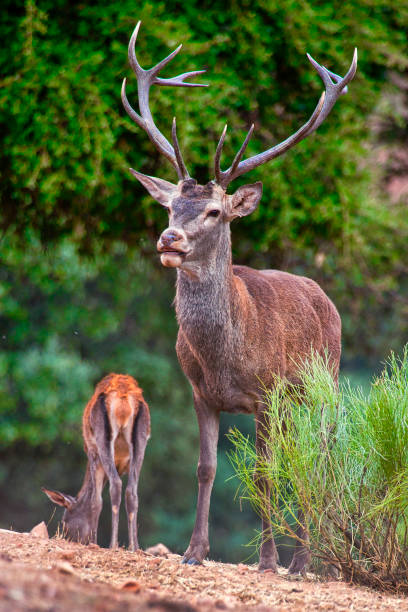
The deer rut is the red deer’s mating season. At the beginning of autumn, adult males use their powerful calls to make their presence known, attract females and warn rival males.
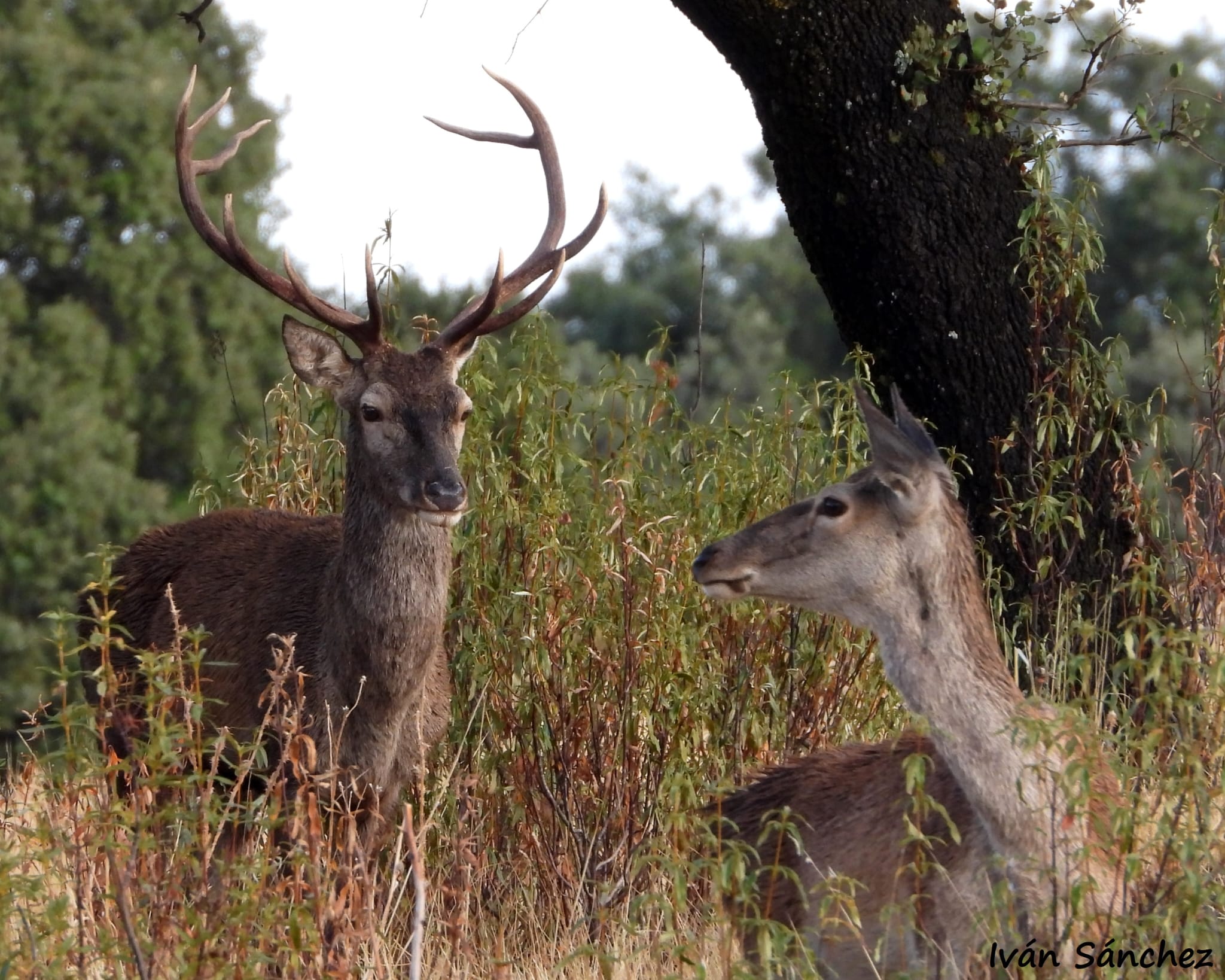
During these weeks, their behaviour changes noticeably. Males move around in search of groups of females, call repeatedly and may display their strength in front of other males.
Their large antlers play an important role in these rivalries. Although direct fights are not constant, hearing several males answering one another from different parts of the countryside makes the experience unforgettable.
In Monfragüe, the sound can travel over great distances through valleys, dehesas and mountain ranges. During the first autumn rains, the calls of the deer can become one of the dominant sounds of the National Park.
When should you visit Monfragüe for the deer rut?
The rutting season usually takes place between September and October, although these dates should not be understood as a fixed calendar.
Environmental conditions have a major influence. The first rains after summer, falling temperatures and shorter daylight hours all contribute to the start of the breeding season.
In some years activity begins earlier, while in others it starts later. Even within the same week, some days can be much more intense than others.
For this reason, if the main purpose of your trip is to hear the deer rut, it is advisable to check how the season is developing a few days before your visit.
September or October?
September is usually the main month associated with the rut, but activity can continue into October. More important than choosing a theoretical date is knowing the actual conditions of each season.
What is the best time to hear the deer rut?
One of the great attractions of the rut is its atmosphere. The calls become more intense as daylight fades and human activity decreases.
The first hours of the morning and, especially, the end of the afternoon are particularly good times to visit. The calls may continue throughout the night and can be heard from a considerable distance.
Ideally, arrive with plenty of time, find an authorised observation point and remain quiet for a few minutes. Very often, you will hear the animal long before you manage to see it.
Where to experience the deer rut in Monfragüe
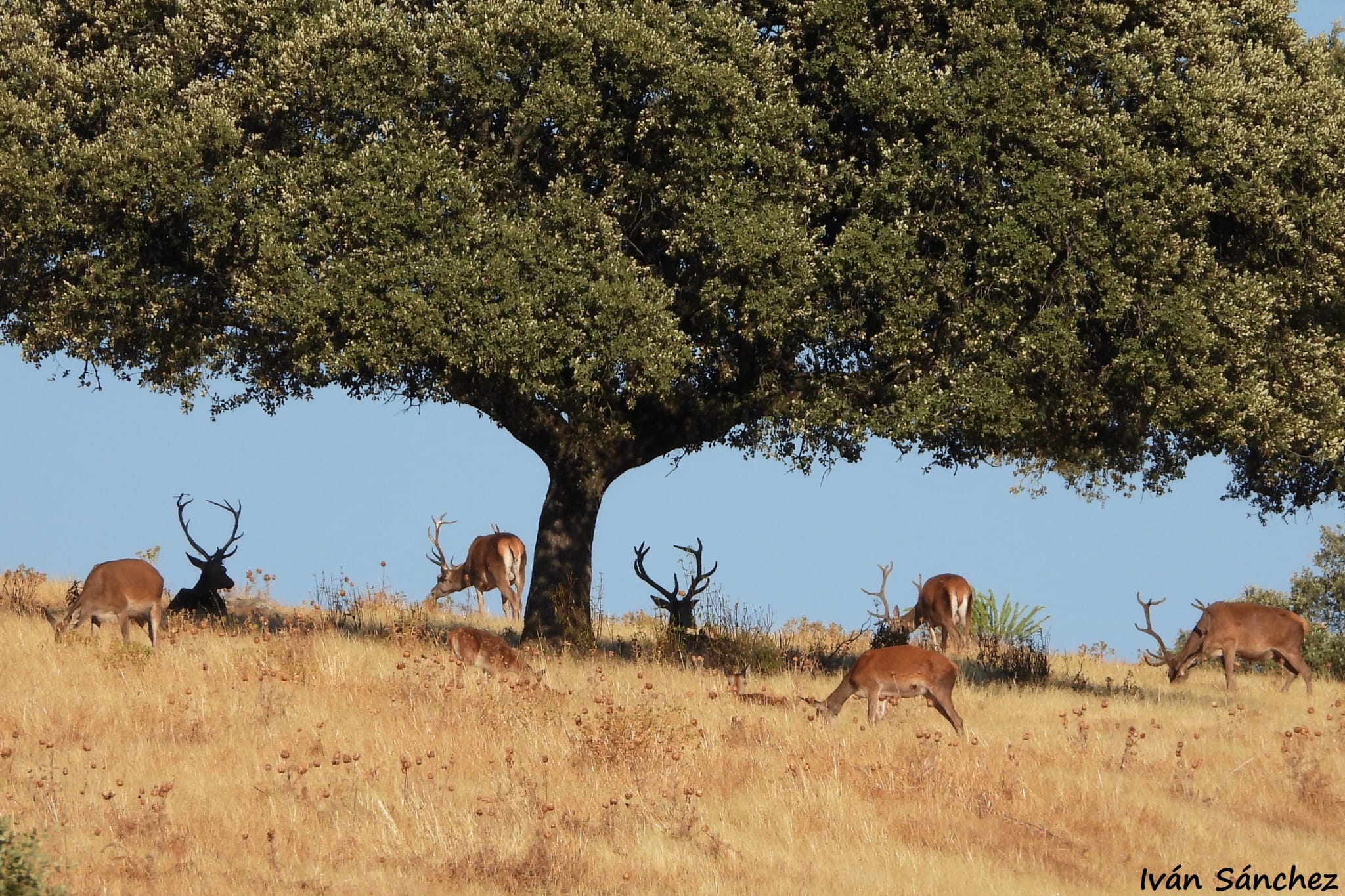
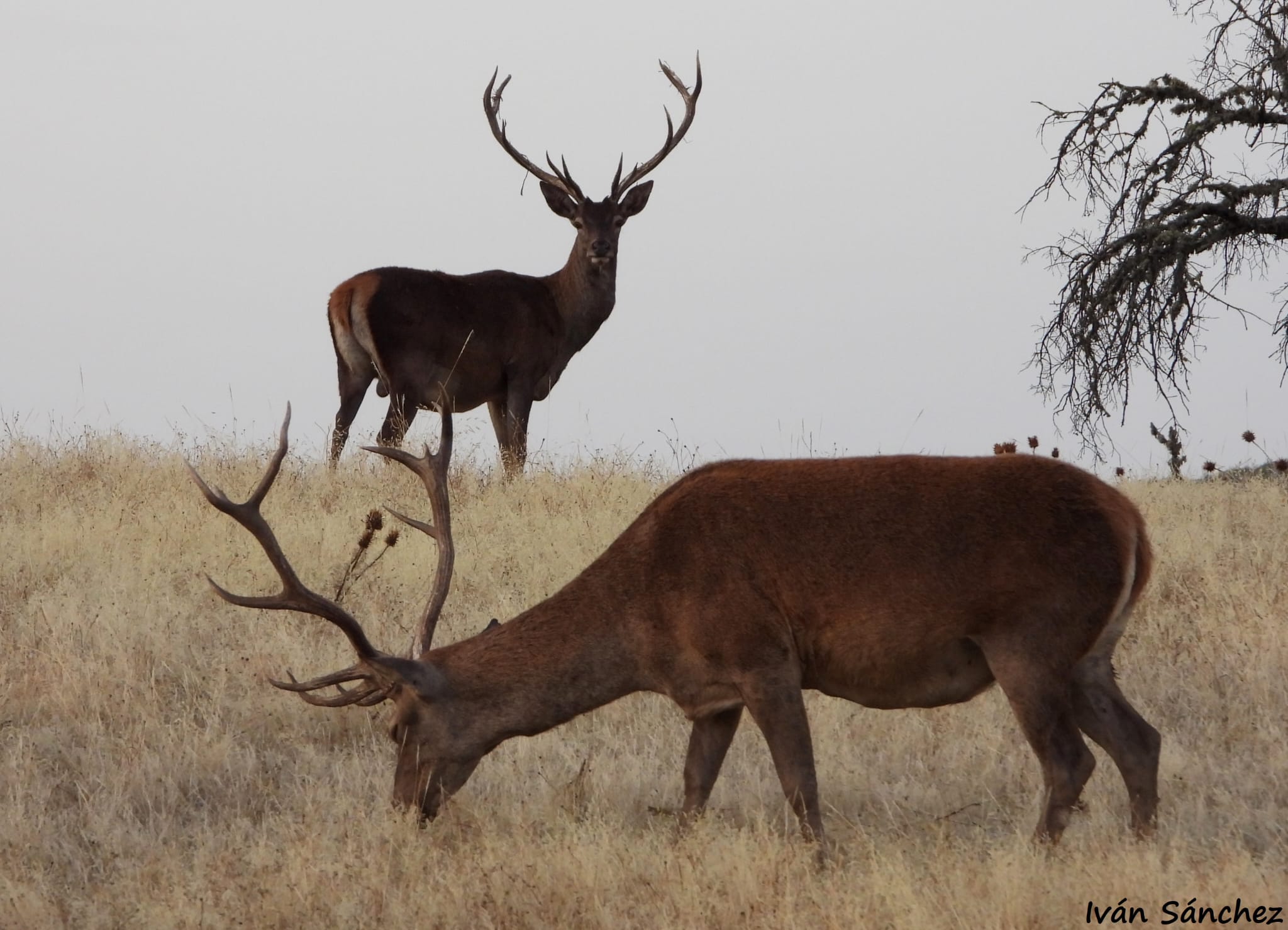
Red deer can be found in different habitats throughout Monfragüe and its Biosphere Reserve, especially in dehesas, Mediterranean woodland, clearings and areas close to their natural refuges.
There is no need to search for remote tracks or approach the animals too closely. From authorised areas and on guided routes, it is possible to enjoy the rut while maintaining an appropriate distance.
The landscape itself is also part of the experience. Hearing several males answering one another from different hillsides as the sun goes down can be even more impressive than seeing an animal at close range.
If it is your first time, a guided visit can make the experience much easier. Understanding deer behaviour, interpreting their calls and knowing where to stop increases your chances of enjoying the experience without disturbing the animals.
Experience the deer rut from the Tagus River
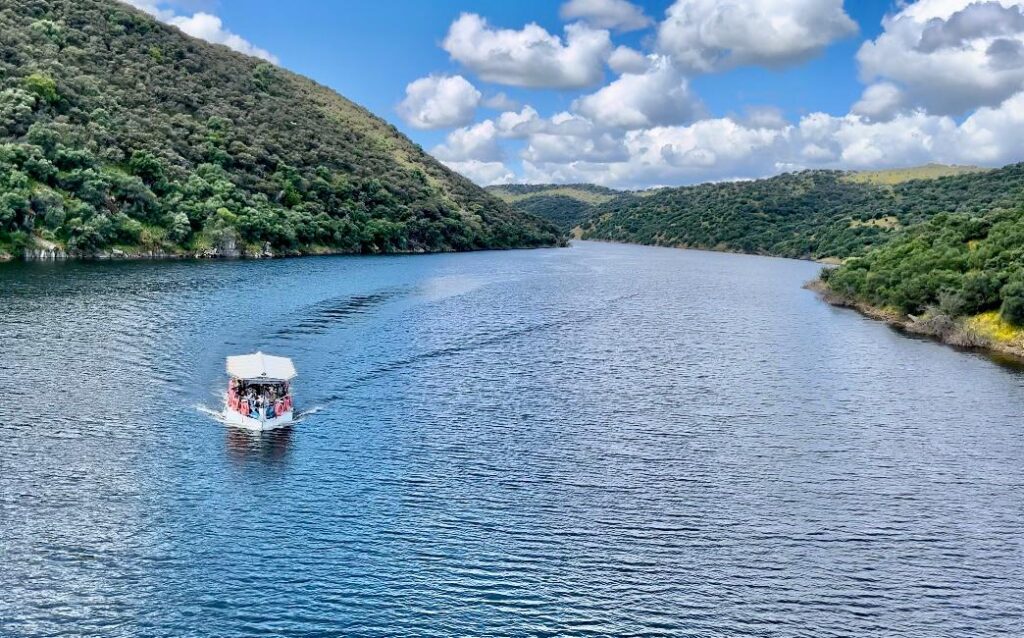
The deer rut can also be enjoyed from a completely different perspective: navigating along the Tagus River in the heart of Monfragüe. A boat trip offers a peaceful way to enter the landscape and observe from the water the hillsides, dehesas and Mediterranean woodland where the deer live.
At the end of summer and beginning of autumn, particularly during the first and last hours of the day, the calls of the males can be heard from different parts of the area. A boat trip also offers the possibility of spotting some of Monfragüe’s most characteristic birds, including griffon vultures, Egyptian vultures and black storks, making it a different way to discover the National Park’s wildlife.
Combining the deer rut with a boat trip along the Tagus is an excellent option for visitors who want to experience Monfragüe beyond its viewpoints and land-based routes.